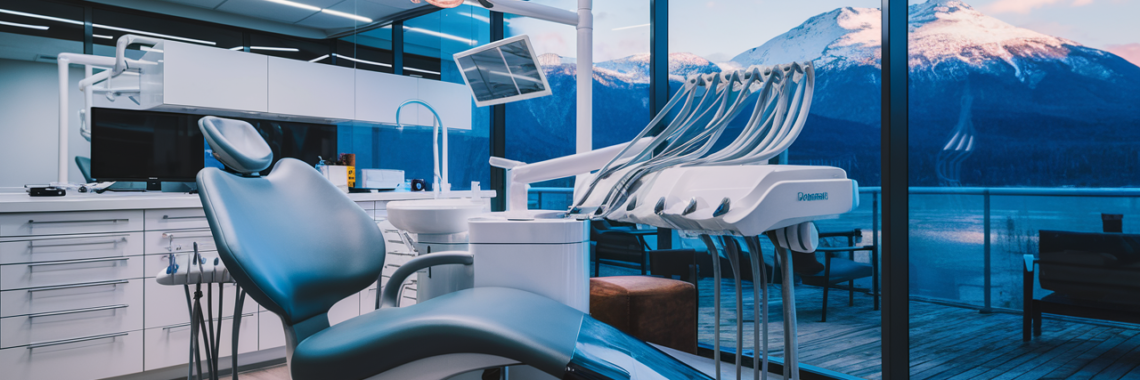
Tax Tips for Dentists in Vancouver: What Every Dental Practice Should Know

Running a successful dental practice in Vancouver involves much more than providing excellent patient care. Practice owners also need to manage payroll, operating costs, equipment purchases, taxes, and long-term financial planning. Working with a tax consultant Vancouver dental professionals trust can help simplify these responsibilities while identifying opportunities to improve cash flow and reduce unnecessary tax expenses.

Whether you own an established clinic in Kitsilano, operate a family practice in East Vancouver, or are opening a new office in Burnaby or Richmond, understanding how taxes affect your practice is an important part of building a financially healthy business. With thoughtful planning throughout the year, you can spend less time worrying about tax season and more time focusing on your patients.

Why Tax Planning Is Essential for Vancouver Dentists

Dentists have unique financial responsibilities because they operate both a healthcare practice and a business. Unlike many salaried professionals, dental practice owners must balance patient care with expenses such as employee wages, office leases, insurance, equipment financing, marketing, and regulatory compliance.

Without proper planning, taxes can become one of the largest annual expenses for a practice. Waiting until tax season often means missing opportunities to reduce taxable income or organize financial records effectively.

Year-round tax planning offers several benefits:

  • Better cash flow management
  • More accurate budgeting
  • Reduced tax liabilities through legitimate deductions
  • Improved financial forecasting
  • Fewer surprises at tax time
  • Greater confidence when making business investments

For many Vancouver dentists, proactive planning also makes it easier to expand their practice, hire additional staff, or invest in new technology without creating unnecessary financial stress.

Understand Your Dental Practice Structure

One of the first tax decisions every dentist makes is choosing the right business structure. The structure of your practice affects how income is taxed, how profits are distributed, and your long-term financial strategy.

Sole Proprietorship

Some dentists begin as sole proprietors before growing into larger practices.

Benefits include:

  • Simple tax reporting
  • Lower administrative costs
  • Easier business setup

However, business income is reported on your personal tax return, and you are personally responsible for business liabilities.

Professional Corporation

As practices grow, many Vancouver dentists choose to incorporate.

A professional corporation may offer advantages such as:

  • Potential tax deferral opportunities
  • More flexibility when managing business income
  • Easier long-term succession planning
  • Separation between personal and business finances
  • Greater flexibility for retirement planning

Incorporation also comes with additional responsibilities, including corporate tax filings, bookkeeping requirements, and regulatory compliance. Every practice is different, so choosing the right structure should be based on your revenue, growth plans, and personal financial goals.

Tax Deductions Every Vancouver Dentist Should Know

One of the most effective ways to reduce your tax burden is by claiming legitimate business expenses. Every eligible deduction lowers taxable income while reflecting the real costs of operating a dental practice.

Below are some of the most common deductible expenses.

Deductible ExpenseWhy It Qualifies
Office rentNecessary operating expense
Dental equipmentCapital asset eligible for depreciation
Dental suppliesEssential for patient care
Staff wages and benefitsBusiness operating expense
Professional liability insuranceRequired protection for the practice
Continuing educationSupports professional development
Marketing and advertisingHelps attract new patients
Accounting and legal servicesProfessional business expenses
Practice management softwareSupports daily operations
Utilities and office maintenanceRequired to operate the clinic

Beyond knowing which expenses qualify, maintaining proper records is equally important.

Good bookkeeping habits include:

  • Saving receipts and invoices
  • Keeping digital copies of financial documents
  • Separating business and personal expenses
  • Reconciling bank statements regularly
  • Tracking expenses throughout the year instead of waiting until tax season

Modern accounting software makes organizing financial records much easier and reduces the likelihood of missing deductible expenses.

Purchasing Dental Equipment: Tax Considerations

Modern dental practices rely on advanced technology to provide quality patient care. Equipment purchases can also play an important role in tax planning.

Examples include:

  • Dental chairs
  • Digital X-ray systems
  • Intraoral scanners
  • Sterilization equipment
  • Computers and servers
  • Imaging equipment
  • Practice management software

Unlike routine office supplies, major equipment purchases are generally considered capital assets. Instead of deducting the full cost immediately, these purchases may be claimed over time through depreciation rules.

Planning equipment purchases strategically can benefit both your practice operations and your tax position. For example, replacing outdated technology before your fiscal year-end may create tax advantages while improving patient care and office efficiency.

Before making major investments, it’s wise to evaluate:

  • Current cash flow
  • Financing options
  • Equipment lifespan
  • Expected return on investment
  • Timing within your fiscal year

Combining financial planning with operational needs allows you to make smarter purchasing decisions.

GST/HST Considerations for Dental Practices

GST/HST rules can sometimes be confusing for dental professionals because not every service receives the same tax treatment.

Many core dental services are treated differently than cosmetic procedures or products sold within a practice. In addition, practices that sell retail products such as whitening kits, electric toothbrushes, or oral care products may have different tax obligations.

Proper GST/HST management includes:

  • Understanding which services are exempt
  • Identifying taxable products and services
  • Maintaining accurate sales records
  • Filing returns correctly and on time
  • Keeping supporting documentation

Even small reporting errors can create additional administrative work later. Maintaining organized financial records throughout the year helps reduce mistakes and simplifies tax filing.

Because tax rules can change over time, many dental practices benefit from ongoing professional advice rather than relying solely on year-end preparation.

Year-End Tax Planning Strategies for Dentists

Successful tax planning starts well before the end of the fiscal year. Waiting until the final few weeks often limits your available planning opportunities.

A year-end financial review should include several important areas.

Review Financial Statements

Analyze income, expenses, profitability, and cash flow to identify opportunities before closing the books.

Identify Outstanding Deductions

Review expenses that may still qualify before year-end, including professional memberships, supplies, education, and maintenance costs.

Plan Equipment Purchases

If major equipment upgrades are already planned, consider whether purchasing before year-end aligns with your financial strategy.

Evaluate Owner Compensation

Review salary and dividend strategies where applicable to ensure they align with your overall financial plan.

Review Payroll Records

Confirm employee wages, benefits, bonuses, and payroll remittances are properly documented.

Prepare for CRA Deadlines

Organize tax documents early to avoid last-minute stress and reduce the risk of filing errors.

Review Retirement Planning

Contributions to retirement savings should be evaluated alongside your broader financial goals and tax planning strategy.

Completing these tasks before year-end provides greater flexibility and allows you to make informed financial decisions rather than reacting under tight deadlines.

Common Tax Mistakes Vancouver Dentists Should Avoid

Even well-managed practices can make costly tax mistakes. Fortunately, many of these issues are preventable with better organization and planning.

Some of the most common mistakes include:

  • Waiting until tax season to organize financesLast-minute preparation often results in missing documents, overlooked deductions, and unnecessary stress.
  • Poor bookkeepingInaccurate records make it difficult to track expenses, prepare financial reports, and support tax filings.
  • Missing eligible deductionsSmall business expenses can add up significantly over the course of a year.
  • Mixing personal and business financesSeparate accounts improve record keeping and simplify tax reporting.
  • Incorrect GST/HST reportingMisclassifying taxable and exempt transactions may lead to filing corrections later.
  • Incomplete payroll documentationPayroll errors can affect employee records, government remittances, and overall compliance.
  • Ignoring year-end planningWaiting too long reduces opportunities to make beneficial financial decisions.
  • Not seeking professional adviceTax legislation evolves, and experienced advisors help practices stay compliant while identifying planning opportunities.

Avoiding these mistakes helps create a more stable financial foundation and reduces unnecessary administrative challenges.

How a Tax Consultant Helps Dental Practices Grow

Many people think tax professionals simply prepare annual tax returns. In reality, an experienced tax consultant provides strategic guidance throughout the year.

For dentists, this can include:

  • Tax planning before major business decisions
  • Financial forecasting
  • Cash flow analysis
  • CRA compliance support
  • Corporate tax planning
  • Business expansion planning
  • Assistance with audits
  • Coordination with accountants and financial advisors

As your practice grows, financial decisions become more complex. Hiring additional associates, expanding clinic space, purchasing advanced equipment, or opening another location all have tax implications.

Working with a knowledgeable advisor allows you to evaluate these decisions from both operational and financial perspectives, helping your practice remain profitable while supporting sustainable long-term growth.

Final Thoughts

Managing taxes is an ongoing part of running a successful dental practice in Vancouver. From choosing the right business structure to maximizing deductions, planning equipment purchases, managing GST/HST responsibilities, and preparing for year-end, every financial decision can affect your practice’s long-term success.

Rather than treating tax planning as a once-a-year task, consider it an important part of your overall business strategy. Working with an experienced tax professional allows you to stay organized, remain compliant, and make informed financial decisions that support future growth.

If you’re looking to strengthen the financial health of your dental practice, consulting a qualified Vancouver tax professional can help you develop a personalized strategy that aligns with your business goals while allowing you to focus on providing exceptional care to your patients.

Seasonal Dental Tips from Salmon Arm Professionals: Keeping Your Smile Healthy Year-Round

Salmon Arm residents know how distinct our seasons can be, with snowy winters, sunny summers, and everything in between. While the changing weather is a hallmark of life here, it can also impact your oral health. From battling dry mouth in the winter to staying hydrated in the summer heat, taking care of your teeth and gums requires seasonal adjustments.

As a Salmon Arm dental professional and fellow community member, I’m here to share tips tailored to our local climate to help you maintain a bright and healthy smile all year long.

Winter Dental Tips – Combatting Dry Mouth and Sensitivity

Understanding Winter’s Impact on Oral Health

Winter in Salmon Arm brings picturesque snow-covered landscapes, but it also brings challenges for your oral health. Cold temperatures combined with indoor heating can cause dry mouth, a common issue that reduces saliva production and increases the risk of cavities. Additionally, many people experience heightened tooth sensitivity when exposed to cold air or hot drinks during winter months.

Professional Tips for Winter Oral Care

  1. Stay Hydrated
    The dry air of Salmon Arm winters can dehydrate your body and your mouth. Drinking plenty of water not only keeps you hydrated but also helps maintain adequate saliva production. Consider using a humidifier in your home to add moisture to the air and reduce dryness.
  2. Combat Dry Mouth
    If you’re dealing with persistent dryness, try sugar-free lozenges or over-the-counter saliva substitutes. These products can stimulate saliva production and keep your mouth more comfortable.
  3. Protect Sensitive Teeth
    Cold air and hot beverages like coffee or tea can exacerbate tooth sensitivity. Use toothpaste formulated for sensitive teeth, and avoid extreme temperatures in your food and drinks.
  4. Healthy Winter Diet
    Incorporate foods rich in calcium and Vitamin D, such as dairy products and leafy greens, to keep your enamel strong. Crunchy fruits and vegetables like apples and carrots can also help clean your teeth naturally.

Prevention of Holiday Treat Damage

The holidays in Salmon Arm often mean indulging in sweets and baked goods. While it’s okay to enjoy these treats, moderation is key. Brush and floss after consuming sugary foods to prevent plaque buildup and decay.

Spring Dental Tips – Fresh Starts for Oral Health

Spring Cleaning for Your Smile

Just as we freshen up our homes in spring, it’s the perfect time to refresh your oral care routine.

  • Schedule a Professional Cleaning: A dental cleaning removes built-up tartar and gives your teeth a fresh start for the season.
  • Replace Old Toothbrushes: Frayed bristles are less effective at cleaning your teeth. Swap out your toothbrush for a new one every three to four months.

Seasonal Allergy Relief and Oral Health

Spring allergies are common in Salmon Arm, and they can lead to mouth breathing, which dries out your mouth and contributes to bad breath. Rinsing with salt water and staying hydrated can mitigate these effects. If allergies are severe, consult your dentist for additional recommendations.

Boosting Your Dental Practice

Summer Dental Tips – Hydration and Protecting Teeth Outdoors

The Role of Hydration in Summer Oral Health

Summers in Salmon Arm are warm and perfect for outdoor adventures. However, the heat can lead to dehydration, which impacts your oral health by reducing saliva production.

  • Drink water frequently, especially when engaging in activities like hiking or boating on Shuswap Lake.
  • Avoid sugary sports drinks and sodas, as they can cause tooth decay. Stick to water or unsweetened beverages instead.

Protecting Teeth During Outdoor Activities

Summertime is full of opportunities for sports and outdoor play, but these activities come with risks to your teeth.

  • Wear a Mouthguard: If you or your children are playing contact sports, a mouthguard can prevent dental injuries.
  • Avoid Chewing Ice Cubes: While tempting on a hot day, chewing ice can crack or chip your teeth.

Summer-Friendly Snacks for Strong Teeth

Healthy snacks like watermelon, celery, and strawberries are great for oral health. They’re hydrating, low in sugar, and can help clean your teeth naturally.

Fall Dental Tips – Preparing for the Cooler Months

Building a Fall Oral Health Routine

As the weather cools and schedules become busier, it’s important to prioritize oral care.

  • Book Your Dental Check-Up: Many Salmon Arm residents prepare for the holiday season in fall. Getting a check-up now can prevent issues from escalating over the winter.
  • Stock Up on Supplies: Back-to-school season is a great time to replenish oral care products like toothbrushes, toothpaste, and floss.

Focus on Immune Support

With colder weather comes a higher risk of illness, which can affect your oral health.

  • Eat foods rich in Vitamin C (citrus fruits) and Vitamin D (fortified cereals or milk) to strengthen your immune system and support healthy gums.
  • Be mindful of sugary cravings, as fall treats like pumpkin spice lattes or caramel apples can contribute to decay. Brush and floss after consuming these treats.

Conclusion

Taking care of your teeth doesn’t have to be complicated, but it does require some seasonal adjustments. From staying hydrated in the summer heat to combatting dry mouth during Salmon Arm’s chilly winters, these tips are designed to keep your smile healthy and bright throughout the year.

If you have specific concerns or questions, our team of local Salmon Arm dental professionals is here to help. Book your next dental check-up with us and let’s work together to keep your oral health in top shape, no matter the season.

How to Choose the Right Dentist: What You Need to Know

If you are looking for a new dentist, you may feel overwhelmed by all of the choices. How do you know which dentist is right for you? What should you look for when choosing a dentist? In this article, we will discuss what you need to know before selecting a dentist, and provide tips on how to choose the right one for your needs. We will also provide a list of the top 10 dentists in South Surrey!

What you need to know before selecting a dentist

When choosing a South Surrey dentist, it is important to consider the following factors:

  • Location: You will want to choose a dentist that is conveniently located. If you live in Surrey or Delta, you may want to choose a dentist that is located downtown.
  • Services Offered: What services does the dentist offer? Do they offer general dental care, or do they specialize in a certain area? If you have children, you may want to choose a dentist that specializes in pediatrics.
  • Hours of Operation: What are the dentist’s hours of operation? If you work full-time, you will want to choose a dentist that has evening or weekend hours.
  • Payment Options: Does the dentist offer payment plans? Do they accept insurance?
  • Reviews: It is always a good idea to read reviews before selecting a dentist. You can find reviews online, or you can ask your friends and family for recommendations.

How to choose the right dentist in South Surrey and Delta

Now that you know what to look for when choosing a dentist, let’s discuss how to choose the right one for you. Here are a few tips:

  1. Schedule a Consultation: Before making an appointment, we recommend that you schedule a consultation with the dentist. This will give you an opportunity to meet the dentist and ask any questions that you may have.
  2. Ask for Recommendations: If you know someone who has a great dentist, ask for a recommendation! Chances are, they will be more than happy to share their information with you.
  3. Read Online Reviews: As we mentioned before, reading reviews is a great way to learn about different dentists in your area. You can find reviews on Google, Yelp, and other online review platforms.
  4. Tour the Office: When you visit the dentist’s office, take a tour of the premises. This will give you a good idea of what to expect when you become a patient.
  5. Ask Questions: Don’t be afraid to ask questions! The more information you have, the better decision you will be able to make.

Your guide to the top Surrey’s dentist

Here is a list of the top Surrey’s dentists, based on our research:


  • Dr. Effie Gregoriou:
    Your friendly and compassionate South Surrey dentist, committed to lifelong learning and quality care. With expertise honed through years of study and teaching, she’s been a proud partner at Semiahmoo Dental Centre since 2001. Dr. Gregoriou is passionate about putting her patients at ease and providing top-tier dental care to the community.
  • Introducing Dr. Yiping Song, your trusted South Surrey dentist since 2016. With a focus on comfort, expertise, and personalized care, Dr. Song and her team ensure each patient receives gentle, professional treatment tailored to their needs. From routine checkups to advanced procedures, you’re in caring hands.
  • Meet Dr. Andy Lee, a caring and patient-focused dentist at Rosemary Heights Dental Centre. Inspired by his own dental experience, Dr. Lee is passionate about helping anxious patients feel comfortable while receiving top-quality care. Outside of dentistry, he enjoys basketball, tennis, and exploring new tech gadgets.
  • Dr. Jones: Dr. Jones is a top dentist in Surrey who offers general dental care, pediatric dentistry, and orthodontics. He has two locations in the city, and his office hours are Monday to Friday.
  • Dr. Wong: Dr. Wong is a highly rated dentist who specializes in cosmetic dentistry. His office is located downtown, and he is open Monday to Friday.

We hope this guide has been helpful in choosing the right dentist for you! If you have any questions, please feel free to contact us. Thank you for reading!

If you want to read about the wisdom tooth, why it’s needed and whether it should be removed, read our article.

What to Expect During Your First Visit to a Dental Surgeon in Whitby, ON

If you’re scheduled to visit a dental surgeon for the first time in Whitby, ON, you might have a few questions. Dental surgery can feel overwhelming, but the right guidance can ease concerns and give you clarity on what to expect. This article will break down everything you need to know about your first visit, from why you might need dental surgery to the process of planning your treatment.

As a Vancouver resident, I know how important it is to find a trusted local professional, and in Whitby, Dr. David Garant is here to help you through the journey of dental surgery.

Why You Might Be Referred to a Dental Surgeon

Dental surgeons specialize in treating complex oral conditions that go beyond the scope of general dentistry. Here are some of the most common reasons you might be referred to a dental surgeon like Dr. Garant:

  • Wisdom Teeth Removal: Impacted or overcrowded wisdom teeth are one of the most common reasons people are referred to a dental surgeon.
  • Dental Implants: If you’re missing teeth and need implants to restore function and aesthetics, a dental surgeon will handle the surgical placement.
  • Oral Pathology Assessments: Any growths, cysts, or lesions in the mouth may require evaluation and biopsy by a dental surgeon.
  • Corrective Jaw Surgery: If you have issues with jaw alignment or facial structure that affect your bite or appearance, corrective jaw surgery might be recommended.

The role of a dental surgeon is distinct from that of a general dentist. While your regular dentist takes care of routine cleanings and minor procedures, a dental surgeon like Dr. Garant steps in for more advanced treatments.

Preparing for Your Consultation

Your first visit to a dental surgeon is important because it sets the stage for your treatment plan. Here’s what you need to do to prepare:

  • Bring Your Medical and Dental History: Make sure you have all relevant records with you, including details about any previous dental procedures, surgeries, or conditions. If you’re unsure what to bring, contact the office ahead of time.
  • List of Medications and Supplements: Any medications you’re taking can affect your dental treatment, especially if you’ll be undergoing surgery. Be sure to note any over-the-counter medications or supplements as well.
  • Insurance Information: If you’re planning to use insurance to cover the cost of your procedure, bring your insurance card and know your policy details.
  • Referral Notes: If your general dentist referred you to the dental surgeon, bring any notes or recommendations they may have provided.

It’s also a good idea to arrive early for your appointment. This will give you time to fill out any additional forms and make sure everything is in order. A helpful tip is to jot down any questions or concerns you have beforehand, so you can discuss them with the surgeon.

The Initial Evaluation

Once you’ve arrived for your consultation with Dr. Garant, the first step will be a comprehensive evaluation. Here’s what typically happens:

  • Review of Medical and Dental History: Dr. Garant will carefully review your medical and dental background to ensure there are no underlying conditions that could affect your treatment. This is why it’s crucial to provide detailed and accurate information.
  • Discussion of Symptoms or Issues: You’ll have an opportunity to discuss the specific reasons you’re visiting. Whether it’s pain from an impacted tooth or concerns about missing teeth, this is the time to share any symptoms or problems you’re experiencing.
  • Clinical Examination: Dr. Garant will perform a physical examination of your mouth, teeth, and jaw. This will help assess the issue and determine the best course of action. Sometimes, an oral cancer screening may be part of this exam.

In many cases, diagnostic imaging is required to get a deeper look. Depending on your condition, you may need X-rays, CT scans, or other imaging techniques to help the dental surgeon make an accurate diagnosis.

Discussing Treatment Options

After the evaluation, the next step is to discuss your treatment options. This is where Dr. Garant will explain what procedures might be necessary and why.

  • Diagnosis: Dr. Garant will provide a clear diagnosis of the issue, whether it’s a straightforward procedure like wisdom tooth extraction or a more complex surgery like jaw realignment.
  • Treatment Options: Depending on the diagnosis, several options may be available. Dr. Garant will walk you through each possibility, explaining the pros and cons in simple, understandable terms. You’ll learn about the benefits and potential risks of each option, helping you make an informed decision.
  • Urgency of Treatment: Some procedures may need immediate attention, while others can be scheduled at a more convenient time. For instance, if you’re experiencing pain or have an infection, surgery might be recommended as soon as possible. In contrast, elective procedures like dental implants can often be scheduled further out.

One thing you can count on with Dr. Garant is that you won’t be rushed into a decision. He values patient education and will make sure all your questions are answered before moving forward.

Treatment Planning and Scheduling

Once you and Dr. Garant have agreed on a treatment plan, the next step is scheduling and preparing for the procedure.

  • Customized Treatment Plan: Dr. Garant will design a treatment plan tailored to your specific needs. This plan will include details about the surgery, recovery time, and any pre- or post-operative care that will be required. For example, if you’re getting dental implants, you’ll be given a step-by-step guide to prepare for surgery and manage recovery.
  • Timeline: Depending on the complexity of the procedure, you may be able to schedule it within a few weeks or require a longer preparation period. Some surgeries might need you to undergo further tests, such as blood work, before proceeding.

Scheduling is usually flexible to accommodate your work and personal life, and the clinic will help find a time that works best for you.


Financial and Insurance Considerations

Dental surgeries can come with significant costs, so it’s important to understand your financial responsibilities upfront.

  • Payment Options: During your consultation, the office staff will provide an estimate for the procedure. Dr. Garant’s clinic typically offers various payment plans to help spread the cost over time if needed.
  • Insurance Coverage: If you have dental insurance, the clinic will assist you in understanding your coverage. They will help you file insurance claims and ensure that you maximize your benefits. Not all procedures are fully covered by insurance, so you’ll be informed of any out-of-pocket expenses.

It’s important to ask any financial questions during your consultation so that you can plan accordingly.

What Happens After the First Visit

Once your consultation is complete, the clinic will provide you with everything you need to feel confident moving forward.

  • Follow-Up Appointments: If necessary, follow-up appointments may be scheduled before your surgery to go over final details or provide additional instructions.
  • Pre-Op and Post-Op Instructions: For surgeries, you’ll receive a set of pre-operative instructions to help prepare for the procedure. After surgery, post-op instructions will guide you through recovery, including pain management and diet.

Dr. Garant and his team are committed to your long-term care. You’ll have access to all the information you need, whether in printed materials or online resources.

Conclusion

Your first visit to a dental surgeon in Whitby, ON, is an important step towards better oral health. Dr. David Garant and his team are dedicated to making this process as smooth and stress-free as possible. From the initial evaluation to the final treatment plan, every aspect of your care is handled with precision and compassion.

If you’re ready to address your dental concerns, schedule your consultation with Dr. Garant today and take the first step toward a healthier smile.

Boosting Your Dental Practice: Harnessing White Label PPC to Attract More Patients Across the US and Canada

In the bustling cities and quiet towns across the United States and Canada, dental practices face the ongoing challenge of attracting new patients in an increasingly competitive healthcare landscape. As more people turn to search engines to find local healthcare providers, digital marketing has become essential for practice growth. Many dentists are discovering the power of Pay-Per-Click (PPC) advertising to reach potential patients effectively. Among the most trusted solutions in this space is white label PPC, which has emerged as a game-changer for dental practices looking to expand their patient base in North America. This approach allows dentists to leverage expert PPC management while maintaining their brand identity, making it an organic and trusted white label PPC solution for practices throughout the US and Canada.

Understanding White Label PPC

What is White Label PPC?

White label PPC refers to a service model where a specialized agency manages pay-per-click advertising campaigns on behalf of another business, often a marketing agency or directly for the end client (in this case, dental practices). The service is “white labeled,” meaning it’s branded under the client’s name, allowing dentists to offer professional PPC services without the need for in-house expertise.

How It Differs from Traditional PPC Management

Unlike traditional PPC management, where a practice might hire a dedicated digital marketing professional or agency, white label PPC offers a more seamless and integrated approach. The service provider works behind the scenes, allowing the dental practice or their marketing agency to maintain direct client relationships and brand consistency.

Benefits for Dental Practices and Marketing Agencies

  • Access to specialized PPC expertise without the overhead of an in-house team
  • Scalability to handle multiple locations or services
  • Consistent branding and messaging across all marketing efforts
  • More time for dentists to focus on patient care rather than marketing logistics

The Dental Market Landscape in the US and Canada

Across North America, we’re seeing a growing awareness of oral health’s importance to overall well-being. From cosmetic procedures in image-conscious urban centers to essential care in rural communities, the demand for quality dental services is on the rise.

Competitive Analysis of the Dental Industry

In major cities like Toronto, New York, and Los Angeles, as well as in smaller communities throughout the continent, competition among dental practices is fierce. Established practices are expanding, and new clinics are opening, making it crucial for dentists to differentiate themselves.

Unique Challenges Faced by Dental Practices in Attracting New Patients

  • Overcoming patient anxiety about dental procedures
  • Educating potential patients about new technologies and treatments
  • Standing out in a crowded market, especially in urban areas
  • Reaching patients in remote or underserved areas

White Label PPC Strategies for Dental Practices

Keyword Research and Selection for Dental Services

Local Keywords and Geo-targeting

In our vast countries, local search is king. A practice in Vancouver needs different keywords than one in Miami. We focus on geo-specific terms like “dentist near me” or “best orthodontist in [City Name]” to capture local search intent.

Procedure-specific Keywords

From “teeth whitening in Toronto” to “affordable braces in Houston,” we target keywords that match specific services offered by each practice.

Emergency Dental Care Keywords

Capitalizing on urgent needs with terms like “24/7 dentist in Chicago” or “emergency root canal Ottawa” can drive high-value leads.

Ad Copy Optimization for Dental Audiences

Highlighting Unique Selling Propositions

Whether it’s state-of-the-art equipment in a New York City practice or a family-friendly atmosphere in a suburban Canadian clinic, we craft ad copy that showcases what makes each practice special.

Incorporating Trust Signals and Credentials

We emphasize board certifications, years of experience, and patient testimonials to build trust with potential patients.

Using Compelling Calls-to-Action

“Schedule Your Smile Makeover Today” or “Same-Day Appointments Available” can be powerful motivators for action.

Landing Page Design and Optimization

Creating Service-specific Landing Pages

Each dental service, from routine cleanings to complex oral surgeries, gets its own optimized landing page to improve relevance and conversion rates.

Implementing Trust-building Elements

Before-and-after galleries, patient reviews, and staff bios help potential patients feel comfortable with their choice.

Optimizing for Mobile Users

With more than half of searches happening on mobile devices, ensuring a smooth mobile experience is crucial for capturing on-the-go patients.

ALSO READ: Acupuncture Helps with Dental Treatment

Targeting and Segmentation in Dental PPC Campaigns

Demographics Targeting for Different Dental Services

We tailor campaigns to reach the right audience, whether it’s parents for pediatric dentistry or young professionals for cosmetic procedures.

Geographic Targeting Strategies for Local Patients

Utilizing radius targeting and location extensions helps practices capture nearby patients, crucial in sprawling metro areas or rural regions.

Remarketing to Previous Website Visitors and Patients

By keeping the practice top-of-mind, we encourage return visits and referrals, building a loyal patient base.

Measuring Success and ROI

Key Performance Indicators for Dental PPC Campaigns

  • Click-through rates (CTR)
  • Conversion rates for appointment bookings
  • Cost per acquisition (CPA)
  • Return on ad spend (ROAS)

Tracking and Attributing New Patient Acquisitions

Implementing proper tracking allows us to attribute new patients to specific campaigns, keywords, and ad creatives.

Calculating the Lifetime Value of a Dental Patient

Understanding the long-term value of a patient helps justify PPC spend and informs budget decisions.

Case Studies: Successful White Label PPC Campaigns for Dental Practices

Case Study 1: Small Town Dental Practice Growth

A family dentist in rural Montana saw a 40% increase in new patient appointments within three months of implementing a targeted white label PPC campaign.

Case Study 2: Multi-location Dental Chain Expansion

A Canadian dental chain with locations across Ontario leveraged white label PPC to support the opening of five new practices, achieving full booking calendars within weeks of launch.

Case Study 3: Specialized Cosmetic Dentistry Promotion

A high-end cosmetic dentistry practice in Beverly Hills used sophisticated audience targeting to increase bookings for premium services by 25% year-over-year.

Overcoming Challenges in Dental PPC Advertising

Adhering to Advertising Regulations in the US and Canada

Navigating the different rules set by bodies like the American Dental Association and the Canadian Dental Association requires expertise to ensure compliance.

Managing Budget Allocation Across Multiple Services

Balancing spend between high-profit cosmetic procedures and essential preventive care services to maximize overall practice profitability.

Balancing Branding and Direct Response Objectives

Creating campaigns that build long-term brand awareness while driving immediate appointment bookings.

Integrating White Label PPC with Other Digital Marketing Efforts

Coordinating PPC with SEO Strategies

Ensuring PPC and SEO efforts complement each other, sharing keyword insights and maximizing visibility across paid and organic search results.

Leveraging Social Media Advertising in Conjunction with PPC

Using platforms like Facebook and Instagram to reinforce PPC messages and reach patients through multiple touchpoints.

Email Marketing Integration for Patient Retention

Combining the new patient acquisition power of PPC with email nurturing campaigns to encourage regular check-ups and additional services.

Voice Search Optimization for Dental Queries

As more North Americans adopt smart speakers and voice assistants, optimizing for conversational queries like “OK Google, find a dentist open on Saturdays near me” becomes crucial.

AI and Machine Learning in PPC Campaign Management

Leveraging advanced algorithms to optimize bid strategies and predict patient behavior for more efficient campaigns.

Emerging Ad Formats and Platforms Relevant to Dental Marketing

Exploring opportunities in video advertising, local service ads, and new social media platforms to stay ahead of the curve.

Conclusion

As we’ve seen, white label PPC offers a powerful tool for dental practices across the United States and Canada to grow their patient base. By leveraging local expertise, adhering to regional regulations, and tapping into the unique needs of North American patients, practices can significantly boost their visibility and attract new clients. The future of dental marketing in our region is bright, with emerging technologies and evolving patient expectations creating new opportunities for practices to thrive. For dentists looking to stay competitive in their local markets, embracing white label PPC as part of a comprehensive digital marketing strategy is not just an option—it’s becoming a necessity. As trusted partners in practice growth, white label PPC providers are helping shape the future of dental care accessibility across our vast and diverse continent.

Top 10 Questions to Ask Your Dentist in Canada Before Your First Visit

Your first visit to a new dentist is a significant step in maintaining or improving your oral health. However, it can also be a source of anxiety if you’re unsure what to expect. One of the best ways to ensure that your first visit is as smooth and stress-free as possible is to ask the right questions. This article will guide you through the top 10 questions you should ask your dentist in Canada before your first visit. By the end, you’ll be better equipped to make informed decisions about your dental care, ensuring that you receive the quality treatment you deserve.

1. What Are Your Qualifications and Experience?

When it comes to your oral health, the qualifications and experience of your dentist are paramount. It’s crucial to know that your dentist has the necessary training and expertise to provide you with the best possible care.

Why It’s Important

Understanding your dentist’s qualifications and experience gives you confidence in their ability to handle a wide range of dental issues. A well-qualified dentist should have completed accredited dental programs and possibly even additional specialized training in areas like orthodontics, periodontics, or cosmetic dentistry.

What to Look For

  • Education and Training: Ask where the dentist received their education and any additional certifications or specializations they have completed.
  • Years in Practice: Knowing how long the dentist has been practicing can provide insight into their experience level.
  • Professional Memberships: Dentists who are members of professional organizations like the Canadian Dental Association (CDA) often adhere to higher standards of care and stay updated on the latest developments in the field.

2. What Dental Services Do You Offer?

Before committing to a dentist, it’s essential to ensure that they offer the services you need. Dental practices can vary widely in the range of services they provide, from basic preventive care to more advanced cosmetic and restorative procedures.

Understanding the Range of Services

Knowing what services your dentist offers can help you determine if they can meet all your dental needs. For instance, if you’re interested in cosmetic procedures like teeth whitening or veneers, you’ll want to ensure that these are available at the practice. Similarly, if you have children, finding a dentist who offers pediatric services is crucial.

Examples of Services

  • Preventive Care: Regular cleanings, exams, fluoride treatments, and sealants.
  • Restorative Services: Fillings, crowns, bridges, and implants.
  • Cosmetic Dentistry: Teeth whitening, veneers, and bonding.
  • Orthodontics: Braces, Invisalign, and other alignment treatments.
  • Pediatric Dentistry: Specialized care for children, including education on oral hygiene.

3. How Do You Handle Dental Emergencies?

Dental emergencies can happen at any time, and it’s important to know how your dentist will handle them. Whether it’s a sudden toothache, a knocked-out tooth, or another urgent issue, understanding the practice’s emergency protocols can provide peace of mind.

Importance of Emergency Protocols

Emergencies require prompt attention, and knowing that your dentist has a plan in place can alleviate some of the stress associated with these situations. It’s also important to know whether your dentist is available after hours or on weekends for emergencies.

What to Expect

  • Emergency Contact Information: Ensure that the dentist provides a clear way to contact them in case of an emergency, including after-hours and weekend availability.
  • Same-Day Appointments: Ask if the practice offers same-day appointments for emergencies or if they have a referral system in place for urgent care.
  • Follow-Up Care: Inquire about the follow-up procedures after an emergency visit to ensure that the issue is fully resolved.

4. What Are Your Office Hours and Availability?

Your dentist’s office hours and availability are key factors in ensuring that you can easily schedule appointments that fit into your busy life. Flexibility is often necessary, especially for families or individuals with demanding work schedules.

Ensuring Compatibility with Your Schedule

Before your first visit, make sure the dentist’s office hours align with your schedule. You may also want to ask about the typical wait time for an appointment, as well as the practice’s policy on cancellations and rescheduling.

Considerations

  • Office Hours: Check if the practice offers early morning, evening, or weekend appointments to accommodate your schedule.
  • Appointment Flexibility: Inquire about the ease of booking appointments, including online booking options and the average wait time for routine visits.
  • Cancellation Policy: Understand the practice’s policy on cancellations and how far in advance you need to notify them to avoid fees.

5. What Are the Costs of Common Procedures?

Understanding the costs associated with dental care is crucial to avoid unexpected expenses. Dental procedures can vary widely in price, so it’s important to ask your dentist about the costs of common treatments before your first visit.

Transparency in Pricing

A reputable dentist should be transparent about their pricing and willing to discuss the costs of procedures upfront. This includes providing information on what is covered by insurance and what you will be responsible for paying out-of-pocket.

Specifics to Ask About

  • Cost of Common Procedures: Ask for a breakdown of the costs for routine procedures like cleanings, fillings, and crowns.
  • Payment Plans: Inquire if the practice offers payment plans or financing options for more expensive treatments.
  • Insurance Billing: Confirm if the dentist’s office will handle insurance billing directly or if you will need to pay upfront and be reimbursed by your insurance provider.

6. Do You Accept My Insurance?

Dental insurance can significantly reduce the cost of care, so it’s important to ensure that your dentist accepts your insurance plan. This will help you avoid unexpected costs and ensure that you can maximize your insurance benefits.

Verifying Insurance Compatibility

Before your first visit, contact the dentist’s office to confirm that they accept your insurance plan. It’s also a good idea to ask if they are in-network with your insurance provider, as this can further reduce your out-of-pocket expenses.

Additional Info

  • Insurance Providers Accepted: Ask for a list of insurance providers that the practice accepts and if they are in-network or out-of-network.
  • Handling of Claims: Inquire whether the office submits claims on your behalf or if you need to handle this process yourself.
  • Estimated Costs with Insurance: Request an estimate of your out-of-pocket costs for common procedures after insurance is applied.

7. How Do You Approach Patient Comfort and Pain Management?

For many people, visiting the dentist can be a source of anxiety or fear. It’s important to ask your dentist about their approach to patient comfort and pain management, especially if you have dental anxiety or a low pain threshold.

Importance of Comfort and Pain Management

A good dentist should prioritize patient comfort and be skilled in various pain management techniques. This not only makes the experience more pleasant but also ensures that you’re more likely to follow through with necessary treatments.

Methods to Ask About

  • Sedation Options: Ask if the dentist offers sedation options such as nitrous oxide (laughing gas), oral sedatives, or IV sedation for anxious patients.
  • Pain Management Techniques: Inquire about the use of local anesthetics, topical numbing agents, and other pain management methods.
  • Comfort Measures: Ask about the practice’s overall approach to making patients feel comfortable, such as providing headphones, blankets, or other amenities.

8. What Is Your Approach to Preventative Care?

Preventative care is the cornerstone of good oral health. Understanding your dentist’s approach to prevention can help you maintain a healthy smile and avoid more serious dental issues down the line.

Significance of Preventative Care

Preventative care involves regular checkups, cleanings, and education on proper oral hygiene practices. A dentist who emphasizes prevention can help you avoid costly and painful dental problems in the future.

Details to Explore

  • Frequency of Checkups: Ask how often the dentist recommends checkups and cleanings based on your specific oral health needs.
  • Personalized Care Plans: Inquire if the dentist creates personalized care plans tailored to your oral health history and risk factors.
  • Oral Hygiene Education: Ask about the dentist’s approach to educating patients on oral hygiene and whether they provide tips or tools to improve your routine.

9. How Do You Stay Updated on Dental Best Practices?

The field of dentistry is constantly evolving, with new techniques and technologies being developed regularly. It’s important to know that your dentist is committed to staying current with these advancements to provide you with the best possible care.

Importance of Continuing Education

A dentist who prioritizes continuing education is more likely to offer the latest treatments and adhere to current best practices. This can result in better outcomes for patients and a more positive overall experience.

Examples of Continuing Education

  • Courses and Certifications: Ask if the dentist regularly attends courses, workshops, or conferences to stay updated on the latest developments.
  • Professional Organizations: Inquire if the dentist is a member of professional organizations like the Canadian Dental Association (CDA) or specialty-specific groups.
  • Implementation of New Technologies: Ask about any new technologies or techniques the dentist has recently adopted, such as digital X-rays, laser dentistry, or 3D imaging.

10. Can I See Patient Reviews or Testimonials?

One of the best ways to gauge the quality of a dentist’s care is by reading reviews or testimonials from other patients. This can provide valuable insights into the dentist’s bedside manner, the effectiveness of treatments, and the overall patient experience.

Understanding Other Patients’ Experiences

Patient reviews and testimonials can reveal a lot about a dentist’s practice, including how they handle routine care, complex procedures, and interactions with patients. Positive reviews can give you confidence in your choice, while negative reviews may raise red flags.

Where to Find Reviews

  • Online Review Platforms: Ask if the dentist is listed on popular review platforms like Google Reviews, Yelp, or RateMDs.
  • Testimonials on the Website: Inquire if the dentist has patient testimonials on their website, including before-and-after photos if applicable.
  • Patient Referrals: If possible, ask the dentist if they can provide referrals from current patients who would be willing to share their experiences.

Conclusion

Choosing a new dentist is an important decision that can have a lasting impact on your oral health. By asking these 10 key questions before your first visit, you can ensure that you are making an informed choice and setting the stage for a positive dental experience. Remember, a good dentist will be more than happy to answer your questions and provide the information you need to feel confident in your care.

Acupuncture in Maple Ridge & Pitt Meadows

How Acupuncture Helps with Dental Treatment in Maple Ridge & Pitt Meadows

The use of acupuncture in Maple Ridge & Pitt Meadows for dental treatment is gaining recognition as a complementary practice to Western methods. This ancient technique, rooted in traditional Chinese medicine, offers patients a holistic approach to oral health care that extends beyond pain relief. As more dental practitioners in Maple Ridge & Pitt Meadows integrate acupuncture into their treatment plans, patients can benefit from enhanced oral health, better management of dental discomfort, and a more relaxed treatment experience.

The Concept of Acupuncture

To understand how acupuncture can benefit dental treatment, it’s essential to grasp the concept behind this ancient practice. Acupuncture revolves around the belief that the body has energy channels called meridians, through which vital energy, or Qi, flows. According to traditional Chinese medicine, the body’s overall health depends on the free flow of Qi. In acupuncture, fine needles are strategically placed in specific acupuncture points along the meridians to rebalance the body’s energy, stimulate healing, and relieve discomfort.

Ancient Roots and Modern Applications

Acupuncture has been used in traditional Chinese medicine for over 2,500 years, and its applications have evolved over time. While it is still widely used to address pain, acupuncture has found its way into modern health care practices, including dentistry. By integrating acupuncture techniques into dental treatment, health care professionals aim to provide a comprehensive approach to patient care. This ancient practice, with its roots in ancient Chinese traditions, continues to be recognized for its potential benefits in dental health care.

The Role of Energy Balance in Health

In acupuncture, the concept of energy balance is crucial for maintaining overall health and well-being. When the body’s energy, or Qi, is flowing smoothly, it promotes harmony, health, and vitality. Imbalances in energy can manifest as various health concerns, including dental health issues. Acupuncture focuses on restoring the body’s energy balance, aiming to address dental discomfort, promote healing, and support overall dental health. By harnessing the power of acupuncture, health care providers can offer patients a comprehensive approach to dental care, with an emphasis on promoting energy balance.

Acupuncture and Dental Health

The integration of acupuncture techniques in dentistry offers various benefits for patients’ dental health. From pain management to enhancing oral health, acupuncture provides a complementary treatment option that goes beyond traditional dental care. By understanding the specific applications and techniques of acupuncture, patients can explore the potential advantages of incorporating this ancient practice into their dental treatment plans.

Pain Management in Dentistry

One of the key areas where acupuncture can be beneficial in dental care is pain management. By stimulating specific acupuncture points, dental discomfort can be alleviated, offering patients a non-invasive and natural pain relief option. The use of acupuncture in dentistry aims to:

  • Reduce discomfort associated with dental procedures
  • Promote relaxation and a more positive patient experience
  • Support overall pain management for patients undergoing dental treatments

Enhancing Oral Health with Acupuncture

Acupuncture techniques can also play a role in enhancing oral health and addressing specific dental concerns. Conditions such as gum disease and temporomandibular joint discomfort can be targeted through strategic acupuncture treatments. By promoting relaxation, reducing stress, and improving blood circulation, acupuncture contributes to improved oral health and overall well-being. Integrating acupuncture into dental care provides patients with a comprehensive and holistic approach to oral health, complementing traditional dental treatments.

Acupuncture Techniques for Dental Procedures

When it comes to dental procedures, acupuncture techniques can be employed to provide patients with additional support and comfort. From toothache relief to calming nervous patients, acupuncture has specific applications that can enhance the dental treatment experience.

Specific Points for Toothache Relief

Toothaches can be debilitating, causing significant discomfort and affecting daily activities. Acupuncture offers a natural and non-invasive option for toothache relief. By stimulating specific acupuncture points, dentists can provide patients with pain relief, contributing to overall dental well-being. Acupuncture provides a complementary approach to addressing toothache discomfort, allowing patients to experience relief without relying solely on traditional pain management techniques.

Calming Nervous Patients with Acupuncture

Dental anxiety is a common concern for patients, often leading to delays in seeking necessary dental care. Acupuncture techniques can be employed to calm nervous patients, providing a more relaxed and comfortable treatment environment. By integrating acupuncture with other relaxation techniques, dental professionals can help patients overcome their dental anxiety. Acupuncture’s potential benefits for calming nervous patients include:

  • Promoting relaxation
  • Reducing stress and anxiety
  • Enhancing overall patient comfort during dental procedures

Case Studies of Acupuncture in Dentistry

Case studies offer valuable insights into how acupuncture has been successfully integrated into dental care, demonstrating its potential benefits and outcomes.

Real-life Examples of Improved Dental Treatment

Real-life examples highlight the positive impact that acupuncture can have on dental treatment outcomes. Patients who have received acupuncture as part of their dental care have reported various improvements, such as:

  • Reduced dental anxiety and discomfort during treatment
  • Alleviation of dental procedure-related headaches and migraines
  • Enhanced overall treatment outcomes

Finding an Acupuncturist in Maple Ridge & Pitt Meadows

To benefit from acupuncture’s potential advantages in dental treatment, patients in Maple Ridge & Pitt Meadows need to find a qualified acupuncturist who specializes in dental care.

What to Look for in a Practitioner

When searching for an acupuncturist, it is important to seek a registered practitioner who has expertise in dental treatment acupuncture. Consider the following factors:

  • Check if the acupuncturist holds relevant certifications for dental acupuncture therapy
  • Ensure the practitioner is registered with governing bodies, such as the regulatory body for acupuncturists in Maple Ridge, British Columbia
  • Seek practitioners with experience in treating temporomandibular joint (TMJ) discomfort, a common dental concern

Recommended Acupuncture Clinics in the Region

There are several acupuncture clinics in Maple Ridge & Pitt Meadows that are recommended for dental treatment. These clinics offer acupuncture services specifically tailored for dental care. When selecting a clinic, consider those that:

  • Offer acupuncture services in conjunction with dental services, providing a comprehensive approach to treatment
  • Specialize in addressing dental care-related discomfort, such as dental anxiety or temporomandibular joint (TMJ) discomfort
  • Have dentists who work closely with acupuncture practitioners, ensuring coordinated care for patients

Also Read: Which Toothbrush Is Best for Brushing Your Teeth in Vancouver

Preparing for Your First Acupuncture Session

Before undergoing acupuncture for dental treatment, it’s important to prepare yourself for what to expect during your first session.

What to Expect During Your Visit

During your first acupuncture session, the acupuncturist will discuss your dental treatment plan, including the specific acupuncture techniques that they will utilize. Some things to expect during your visit include:

  • Strategic needle placement in acupuncture points relevant to your dental treatment
  • Possible use of manual therapy techniques, such as massage, in conjunction with acupuncture
  • A comprehensive treatment plan tailored to your specific dental needs and concerns

Can Acupuncture Really Replace Traditional Dental Anesthesia?

While acupuncture has been explored as a potential adjunct therapy for dental discomfort, it is essential to understand that it may not completely replace traditional dental anesthesia. However, acupuncture can play a complementary role in pain management, offering additional support and promoting a more comfortable treatment experience. Research suggests that acupuncture in dentistry may:

  • Provide pain relief and reduce the need for excessive dental anesthesia
  • Support patients in managing dental discomfort during various procedures, such as teeth cleanings, gum disease treatment, or dental implants
  • Offer a non-invasive and natural approach to pain management in dentistry, which may be especially beneficial for patients seeking alternatives to traditional interventions

Conclusion

In conclusion, acupuncture can be a valuable addition to dental treatment in Maple Ridge & Pitt Meadows. By targeting specific points in the body, acupuncture can effectively manage pain and enhance oral health. Real-life examples have shown improvements in dental treatment outcomes with the inclusion of acupuncture. When seeking an acupuncturist, it is important to look for a qualified practitioner and consider recommended acupuncture clinics in the region. During your first acupuncture session, you can expect a safe and calming experience. While acupuncture may not completely replace traditional dental anesthesia, it can certainly complement and enhance the overall dental treatment process. Consider exploring the benefits of acupuncture for your dental health journey in Maple Ridge & Pitt Meadows.

Achieving a Confident Smile: The Benefits of Invisalign Treatment in Surrey, BC

In the ever-evolving landscape of orthodontic care, Invisalign has emerged as a groundbreaking solution for individuals seeking a discreet and comfortable method to achieve a confident smile. Especially popular in Surrey, BC, Invisalign treatment offers a host of advantages that make it a preferred choice for those looking to straighten their teeth without the inconveniences associated with traditional braces. In this article, we will delve into the remarkable benefits of Invisalign treatment, explore the treatment process, and highlight its popularity among Surrey residents.

The Advantages of Invisalign Treatment

1. Discreet Orthodontic Solution

One of the key appeals of Invisalign treatment lies in its discreet nature. The aligners are made from a virtually invisible plastic material, making them an appealing choice for individuals who wish to correct their teeth without drawing attention to their orthodontic journey. In Surrey, BC, residents can confidently go about their daily activities, be it work, socializing, or special occasions, without feeling self-conscious about their orthodontic treatment.

2. Enhanced Comfort

Unlike traditional braces, Invisalign aligners are crafted from a smooth plastic material that significantly reduces discomfort. Metal brackets and wires, common components of conventional braces, can often cause irritation to the cheeks and gums. Invisalign aligners are devoid of these elements, providing a more comfortable experience throughout the treatment journey.

3. Removable Convenience

Invisalign aligners offer unparalleled convenience due to their removability. Individuals undergoing Invisalign treatment can effortlessly remove their aligners before meals, allowing them to enjoy their favorite foods without the restrictions often imposed by traditional braces. This feature also promotes better oral hygiene, as individuals can maintain their regular brushing and flossing routines without navigating around brackets and wires.

4. Customization for Optimal Results

Invisalign treatment begins with a comprehensive assessment and a personalized treatment plan. Advanced technology is harnessed to create custom aligners that cater to the unique needs of each individual. As the treatment progresses, Surrey residents will transition through a series of aligners, each calibrated to gradually shift their teeth into the desired position. This customization ensures that optimal results are achieved efficiently and effectively.

The Invisalign Treatment Process

1. Initial Consultation and Treatment Plan

The journey to a confident smile through Invisalign begins with an initial consultation with a qualified Invisalign dentist. During this phase, a thorough assessment is conducted to determine the patient’s orthodontic needs and suitability for the treatment. In Surrey, BC, individuals can turn to trusted practices such as Rosemary Dental, a reputable Invisalign braces dentist, to receive expert guidance and a personalized treatment plan tailored to their unique requirements.

2. Aligner Fitting and Progression

After the treatment plan is devised, the first set of Invisalign aligners is fitted. Patients are instructed to wear these aligners for the prescribed duration, usually around two weeks, before progressing to the next set. With each new set of aligners, teeth are gradually moved closer to their desired alignment, bringing individuals one step closer to their confident smile.

3. Monitoring and Adjustments

Regular check-ups with the Invisalign dentist play a pivotal role in the treatment journey. These appointments allow for progress monitoring and necessary adjustments to the treatment plan. In Surrey, BC, residents benefit from the expertise of local dentists who specialize in Invisalign, ensuring that their treatment remains on track for optimal results.

Invisalign in Surrey: Success Stories and Patient Testimonials

The effectiveness of Invisalign treatment is echoed through the success stories and testimonials of Surrey residents who have undergone the transformative journey. Individuals have reported enhanced self-confidence, improved oral health, and a renewed sense of well-being after achieving their desired smiles through Invisalign. These stories serve as a testament to the life-changing impact of modern orthodontic solutions.

Conclusion

Invisalign treatment has ushered in a new era of orthodontic care, offering residents of Surrey, BC, an opportunity to achieve a confident smile without the limitations of traditional braces. The discreet nature, enhanced comfort, and customization of Invisalign aligners make them a preferred choice for individuals seeking orthodontic correction. Embrace the benefits of Invisalign treatment and discover the transformative power of a confident smile.

Which Toothbrush Is Best for Brushing Your Teeth in Vancouver – A Great Guide

Taking care of your dental hygiene is crucial for maintaining a healthy and beautiful smile. One of the most essential tools for good oral health is a toothbrush. With so many options available in the market, finding the best toothbrush for brushing your teeth in Vancouver can be overwhelming. This comprehensive guide will help you understand the factors to consider when choosing a toothbrush, the different types available, and ultimately, the best toothbrush for your needs.

Understanding the Importance of Choosing the Right Toothbrush

Your toothbrush is not just a tool; it plays a significant role in maintaining your oral health. A suitable toothbrush can help prevent plaque buildup, gum disease, and cavities. It is essential to choose the right toothbrush that suits your individual needs and helps you maintain proper oral hygiene.

Factors to Consider When Choosing a Toothbrush

When selecting a toothbrush, several factors need to be taken into account. The type of bristles, the size and shape of the toothbrush head, and the handle design are all critical aspects to consider. Additionally, you must decide between a manual toothbrush and an electric one, each with its own set of advantages and disadvantages.

ALSO READ: downtown Whitby dentistry

Different Types of Toothbrushes

There are various toothbrush options available in the market. Manual toothbrushes are the most common and affordable ones, while electric toothbrushes come with advanced features to enhance your brushing experience. Battery-powered toothbrushes offer a middle ground between the two.

Benefits of Electric Toothbrushes

Electric toothbrushes have gained popularity due to their superior plaque removal capabilities and built-in timers that ensure you brush for the recommended duration. They are particularly beneficial for individuals with limited mobility or dexterity issues.

Pros and Cons of Manual Toothbrushes

Manual toothbrushes have been around for a long time and are easy to use. They come in a wide variety and are readily available. However, they require proper brushing techniques to be effective.

Choosing the Best Toothbrush for Your Specific Needs

Different individuals have different dental needs. For children, toothbrushes with fun designs can make brushing more enjoyable. Those with sensitive teeth may benefit from toothbrushes with soft bristles. Those with braces can find specialized orthodontic toothbrushes that cater to their needs.

Effective Toothbrushing Techniques

Proper toothbrushing techniques are essential for maintaining good oral health. The frequency and duration of brushing, the motion used while brushing, and the angle of the brush all play crucial roles in the effectiveness of your brushing routine.

Common Mistakes to Avoid While Brushing

Overbrushing and aggressive scrubbing can harm your gums and teeth. Ignoring the importance of cleaning your tongue can also lead to bad breath and bacterial buildup. Additionally, not replacing your toothbrush regularly can decrease its effectiveness.

Taking Care of Your Toothbrush

To ensure your toothbrush remains effective and hygienic, it is essential to rinse it thoroughly after each use and store it in an upright position to let it air dry. Moreover, knowing when to replace your toothbrush is vital for optimal oral care.

The Role of Toothpaste and Mouthwash

Using the right toothpaste that suits your needs can enhance your brushing routine. Mouthwash can provide additional benefits for complete oral care, including freshening breath and reducing bacteria.

Visiting Your Dentist Regularly

While choosing the right toothbrush and maintaining proper oral hygiene are crucial, regular dental checkups are equally important.

Reasons to Study Dentistry in Langley:

If you’re looking for a career that is both challenging and rewarding, dentistry may be the perfect choice for you! Langley is home to some of the best dental schools in the country, and there are plenty of reasons why you should consider studying dentistry here. In this blog post, we will discuss five reasons why dental school in Langley is the best decision you’ll ever make. Keep reading to find out more!

How to find a good dentist in Langley

When you’re looking for a new dentist, you want to find someone who is experienced, knowledgeable, and who you feel comfortable with. Here are a few tips on how to find a good dentist in Langley:

  1. Ask for recommendations. Talk to your friends, family, and neighbours and see if they have any recommendations for dentists in the area.
  2. Do your research. Once you have a few names, take some time to research each dentist. Read online reviews and visit their website to learn more about their services and what others have said about their experience.
  3. Schedule a consultation. Once you’ve narrowed down your choices, schedule a consultation with each dentist. This will give you a chance to meet them in person and ask any questions you may have.
  4. Make your decision. After meeting with each dentist, it’s time to make your choice. Choose the one who you feel is the best fit for you and your needs.

Five things every dentist should know about Langley

Every dentist should know about a unique approach to excellent tutoring in Langley. Langley offers a variety of specialized services that can help dentists learn new skills and improve their existing ones. In addition, Langley provides an individualized approach to each dentist’s education, tailor-making a curriculum that meets their specific needs. As a result, Langley is an excellent resource for dentists who want to stay ahead of the curve and provide the best possible care for their patients.

Here are five things every dentist should know about Langley:

  1. There are a variety of tutoring options available.
  2. The city is home to several high-quality dental clinics.
  3. Langley is a great place to live and work.
  4. The city offers a wide range of amenities and attractions.
  5. Langley is an excellent place to raise a family.

With its excellent schools, safe neighborhoods, and abundance of things to do, Langley is an ideal place to call home. Thanks for choosing Langley as your new dental home!

Why You Should Study Dentistry in Langley

Are you interested in a career in dentistry? If so, Langley is an excellent place to study. Here are just a few reasons why:

First, the city is home to a large number of dental practices. This means that there are plenty of opportunities to gain practical experience while you are studying. You will be able to shadow experienced dentists, and learn from them firsthand.

Second, Langley is also home to a number of top-rated dental schools. This means that you will have your pick of the best programs in the country. You will be able to find a school that suits your individual needs and interests.

Third, the cost of living in Langley is relatively low. This is important for students who are on a tight budget. You will be able to save money on accommodation and other living expenses.

Fourth, the city has a great climate. This is perfect for those who want to studies dentistry outdoors. The weather is warm and sunny for most of the year, which makes it ideal for spending time in the great outdoors.

So if you are interested in a career in dentistry, Langley is the perfect place to study. With its plentiful opportunities for practical experience, its top-rated dental schools, and its low cost of living, the city has everything you need to succeed in your studies.

Why dental school is the best decision you’ll ever make

There are many reasons why dental school is the best decision you’ll ever make. First and foremost, it will give you the opportunity to pursue a career in dentistry. This is a highly respected profession that offers a stable income and plenty of job satisfaction. Secondly, dental school will provide you with the opportunity to learn from some of the best dentists in the country. You’ll be able to pick their brains and learn all about the latest techniques and technology. Thirdly, attending dental school will allow you to meet other like-minded individuals who are also passionate about dentistry. You’ll be able to form lasting friendships and relationships with these people. Finally, studying at dental school will give you a comprehensive education in all things related to teeth and oral health. You’ll come out of dental school as an expert in your field, and you’ll be able to immediately start practicing dentistry in your own career. So if you’re considering a career in dentistry, there’s no better time than now to apply to dental school!